People of the Wild Boar
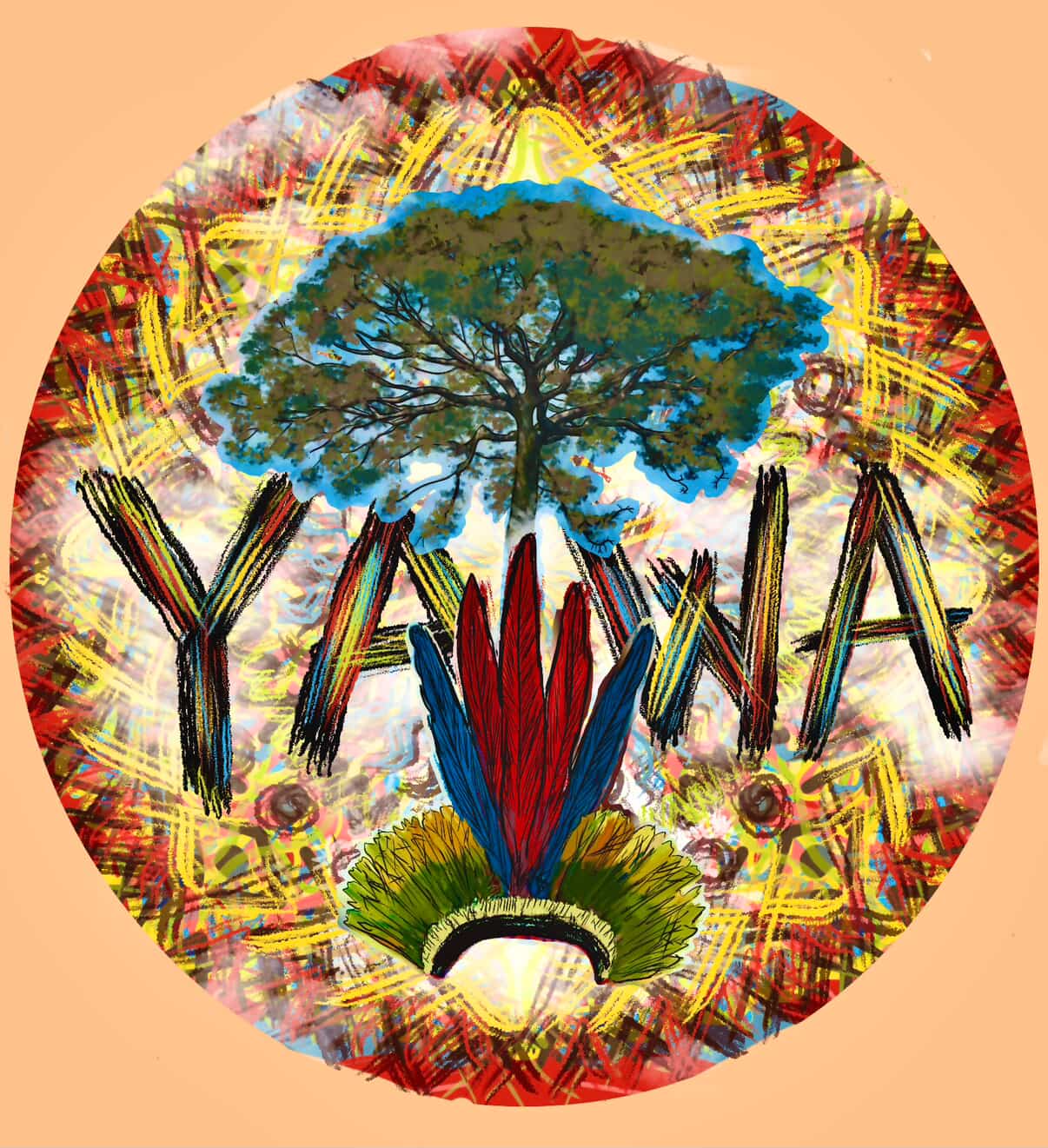
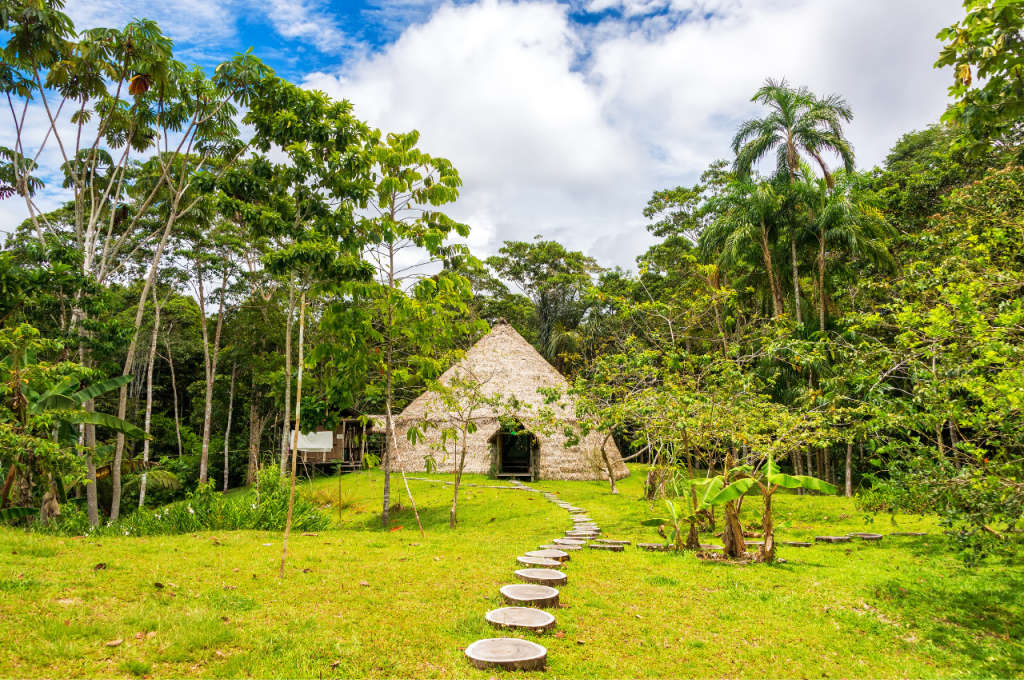
The Yawanawa are an indigenous people of the Brazilian Amazon, residing primarily in the state of Acre. Their name, meaning “people of the wild boar,” reflects both their close bond with the natural world and the sacred symbolism that guides their way of life. Belonging to the Pano linguistic family, the Yawanawa live today in several villages along the Gregório River, where the forest remains their teacher, sustainer, and home.
For centuries, the Yawanawa have carried forward a rich spiritual and cultural tradition rooted in harmony with the living forest. Their ceremonies and songs, their sacred plant medicines, and their ancestral teachings form a pathway of resilience and wisdom. Music is not only expression but prayer; healing is not only medicine but relationship; tradition is not only memory but responsibility.
The Yawanawa identity is interwoven with a collective vision: to protect life, honor the Earth, and ensure that their children and future generations inherit both the forest and the wisdom it carries. Through their guardianship, the heartbeat of the Amazon continues to echo with strength, spirit, and song.
For the Yawanawa, each plant carries both medicinal properties and a spiritual role, and learning how to use them requires discipline, guidance from elders, and years of practice.
Medicine and Indigenous Wisdom
The Yawanawa are known throughout Acre, Brazil, for their deep knowledge of forest medicine. Their use of sacred plants, including ayahuasca (locally called Uni), is central to both healing practices and spiritual life. Ceremonies with these plants are not only intended to cure illness, but also to restore harmony between people, community, and the natural world.
Generations of Yawanawa healers have catalogued and transmitted detailed understandings of the forest’s pharmacology. Roots, vines, leaves, and resins are used to treat infections, fevers, wounds, and spiritual imbalance. This body of knowledge, preserved through oral tradition and apprenticeship, reflects a highly sophisticated grasp of ecology. For the Yawanawa, each plant has both medicinal properties and a spiritual role, and learning how to use them requires discipline, guidance from elders, and years of practice.
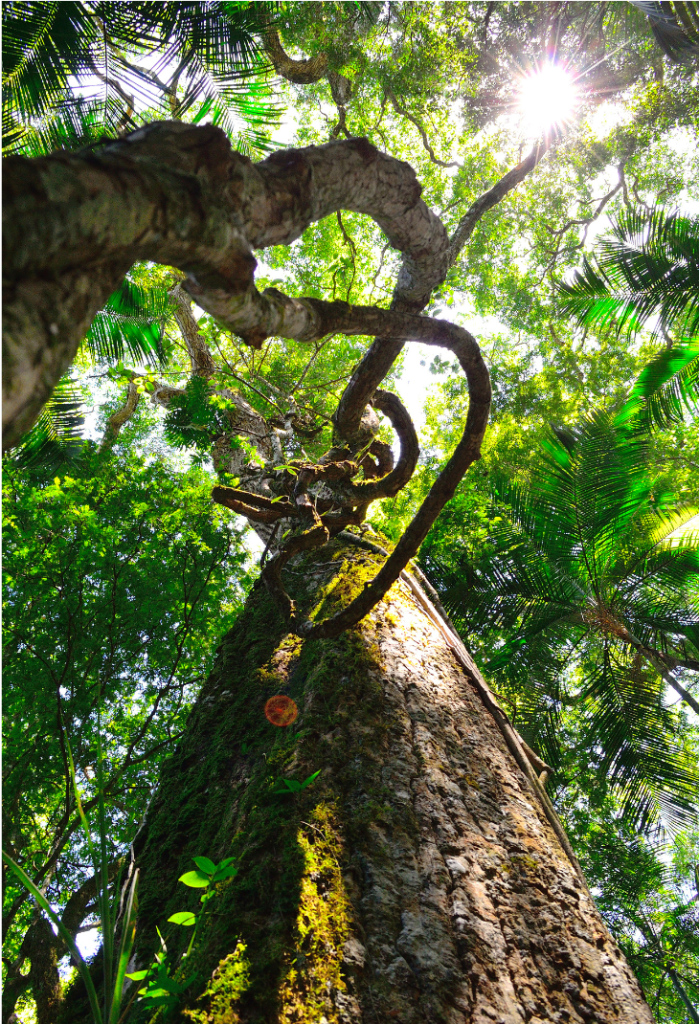
Their worldview places the forest itself at the center of well-being. The Yawanawa describe the forest as alive—a living system that sustains not just human life but the balance of all beings. This cosmology, rooted in daily practice and lived relationship with the environment, aligns with modern ecological science in recognizing the interdependence of health, biodiversity, and sustainability.
As the global community confronts climate change and ecological breakdown, the Yawanawa perspective underscores an essential lesson: conservation is not only about preservation of resources but about respect. To exploit the forest is to undermine the very basis of health and life, while to protect it is to protect the future of all.
Social Justice and Environmental Protection
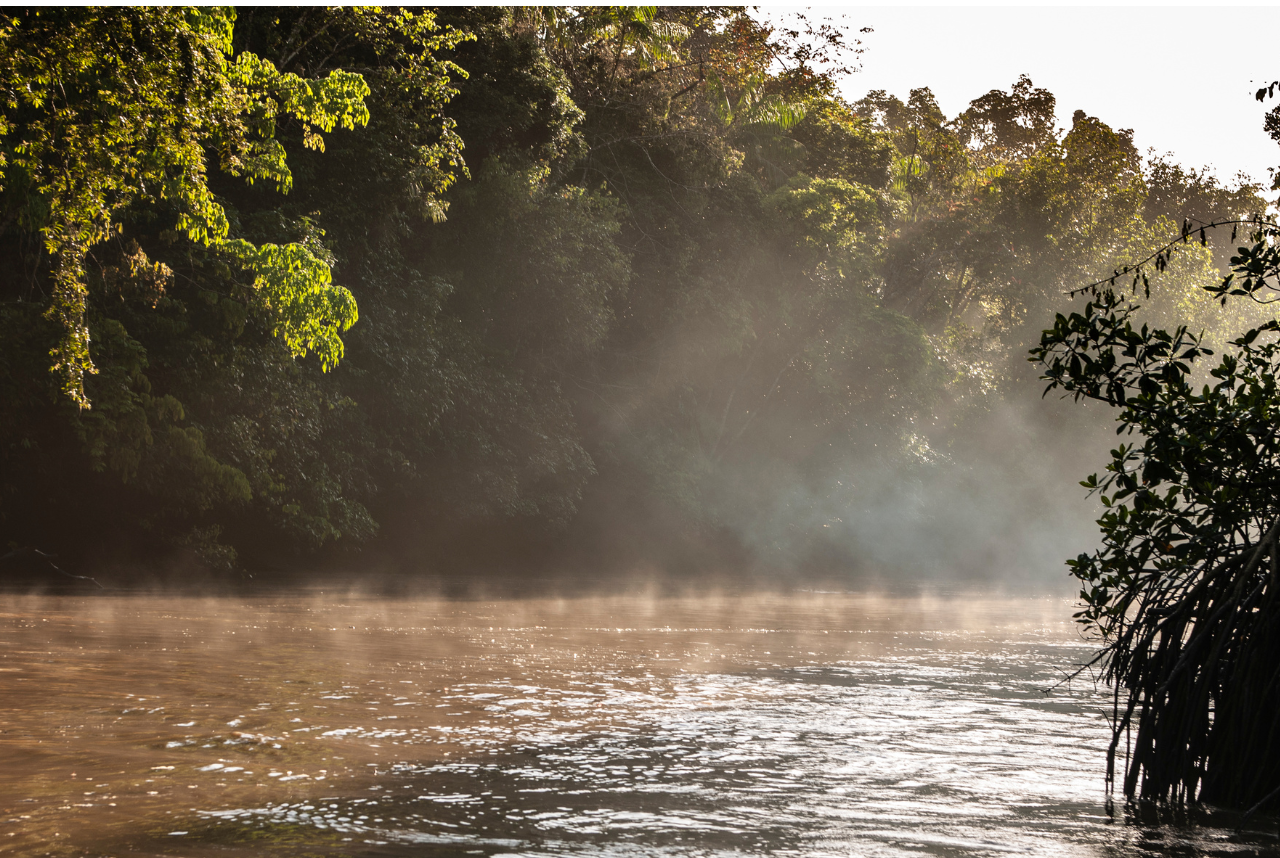
The Yawanawa have become leaders in the struggle for indigenous rights and environmental justice in the Amazon. They defend their lands against deforestation, illegal logging, and extractive industries that threaten the forest and their way of life. Through alliances with global movements, they raise awareness of the importance of protecting the Amazon, often referred to as the “lungs of the Earth.” The Yawanawa are not only preserving their culture but also sharing their message with the world: humanity must learn to live in balance with the Earth. Their example inspires movements for justice, ecological stewardship, and cultural preservation worldwide.
 The Yawanawa Flute Foundation